
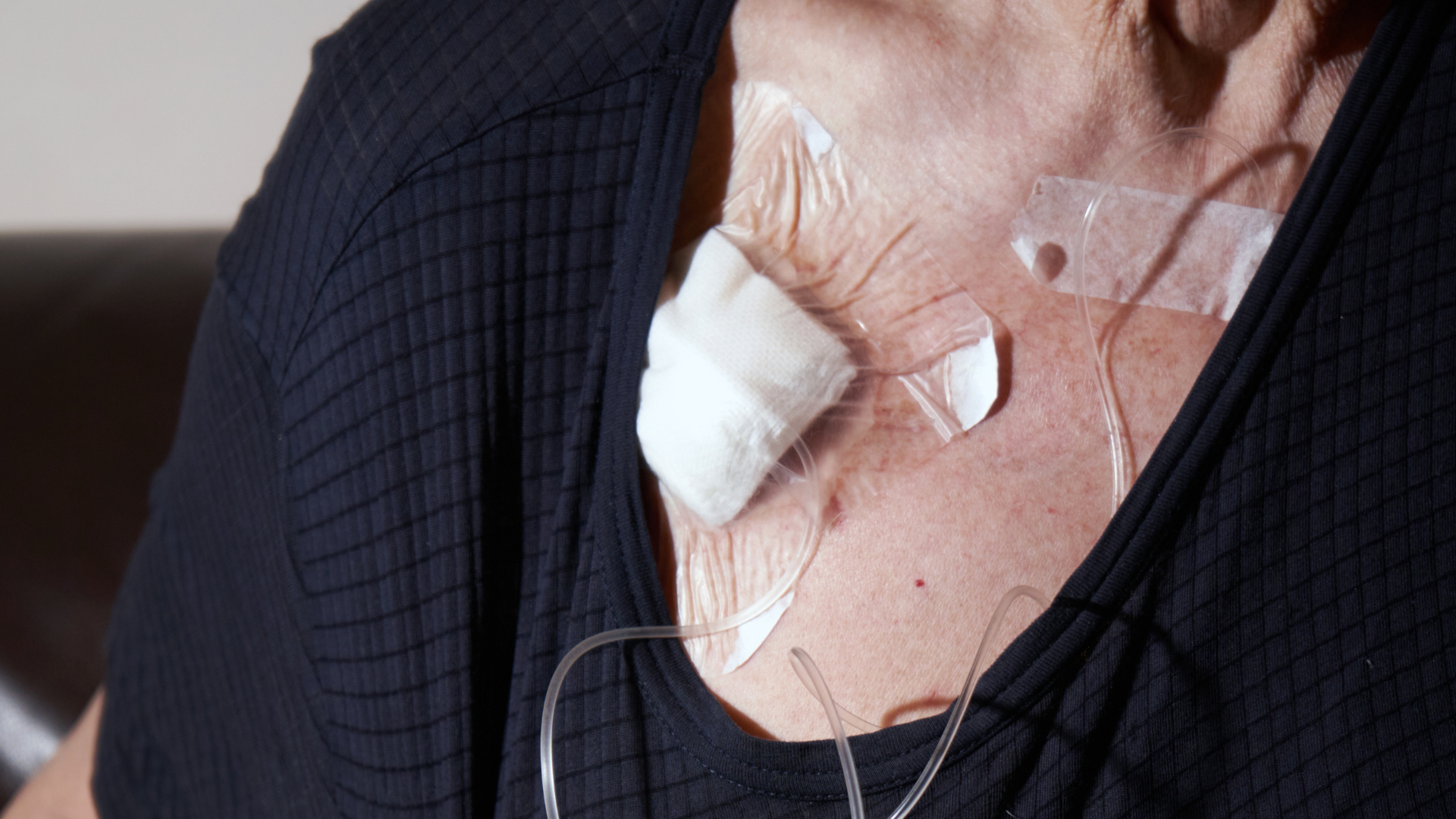
The Bard PowerPort, an implantable medical device commonly used for chemotherapy and other long-term IV treatments, has become the subject of growing legal claims due to allegations that certain devices may be linked to serious complications. Manufactured by Bard Access Systems, a subsidiary of Becton, Dickinson and Company (BD), the PowerPort was designed to provide patients with reliable access to their bloodstream for the delivery of medications, fluids, and treatments.
However, lawsuits allege that defects in some Bard PowerPort devices may increase the risk of catheter fractures, migration, infections, blood clots, and other serious injuries. Plaintiffs claim the manufacturer failed to adequately warn patients and healthcare providers about these potential risks.
What is a Chemo PowerPort?
A chemo port, also known as an implantable port or port catheter system, is a small medical device placed beneath the skin, usually in the chest area. The device connects to a catheter that enters a major vein, allowing healthcare providers to easily administer chemotherapy, medications, nutrients, or draw blood without repeated needle sticks.
The Bard PowerPort is one of the most widely used implantable port systems. For many patients undergoing cancer treatment or requiring frequent IV therapy, these devices offer convenience and reduce the need for repeated vein access.
Understanding PowerPort Complications
While many patients use implantable ports without issues, reported complications involving certain Bard PowerPort devices have raised concerns. Lawsuits allege that some devices may be more prone to mechanical failures and other complications, including:
- Catheter fracture or breakage
- Catheter migration, where broken pieces move through the bloodstream
- Blood clots and blockages
- Infections
- Vessel damage or perforation
- The need for additional surgeries to remove or replace the device
When a catheter breaks or migrates, fragments may travel to areas such as the heart or lungs, potentially requiring medical intervention and causing serious health risks.
The Alleged Link Between Bard PowerPort and Device Failures
The lawsuits focus on allegations that certain Bard PowerPort devices were designed with materials that could weaken over time. Plaintiffs claim that the catheter component may be vulnerable to deterioration, increasing the risk of cracking, fracturing, or other failures.
Some claims allege that the combination of materials used in the catheter, including a polyurethane-based material mixed with barium sulfate to make the device visible on imaging scans, may contribute to structural problems. Plaintiffs argue these issues could allow the catheter to become damaged while implanted in the body.
The lawsuits further allege that Bard was aware of potential risks associated with its port devices but failed to provide adequate warnings to patients and medical professionals.
The Legal Claims
Many lawsuits filed against Bard and BD allege that the companies failed to properly design, manufacture, and warn about potential risks associated with certain PowerPort devices. Plaintiffs claim they experienced serious complications that required additional medical treatment, including surgeries to remove fractured catheter pieces or replace failed devices.
The legal claims generally argue that if patients and healthcare providers had received stronger warnings about potential risks, they may have considered alternative devices, monitored symptoms more closely, or taken different steps regarding treatment.
Individuals affected by alleged PowerPort complications may face additional medical expenses, recovery time, emotional distress, and other long-term consequences.
Moving Forward
As more patients come forward with reports of complications, Bard PowerPort lawsuits continue to move through the legal system. For individuals who experienced serious injuries after receiving a PowerPort device, potential compensation may help address medical costs, lost income, pain and suffering, and other damages related to their injuries.
If you or a loved one received a Bard PowerPort and experienced complications such as catheter fracture, migration, blood clots, infection, or required surgery to remove the device, speaking with a legal professional experienced in medical device litigation may help you understand your options.
Conclusion
For many patients, implantable ports have played an important role in making ongoing medical treatments more manageable. However, allegations surrounding certain Bard PowerPort devices have raised concerns about device safety, potential failures, and whether patients were properly informed of possible risks.
As lawsuits continue, they highlight the importance of medical device safety, transparency, and ensuring patients have the information they need to make informed healthcare decisions.